What Is a Box Wrapping Machine and How Does It Work?
A Box Wrapping Machine automates the process of covering boxes with protective film, paper, or other packaging materials. It is used in warehouses, distribution centers, and manufacturing facilities where consistent packaging matters. Instead of relying entirely on manual wrapping, operators place boxes on a conveyor or platform. The machine then applies material around each package with controlled tension, speed, and overlap.
The working process is practical and easy to observe. A box enters the wrapping area. Sensors detect its position and dimensions. Rollers or rotating arms guide the film around the box while the system adjusts tension. Cutting and sealing units finish the package, leaving a firm and cleaner surface. Some models wrap individual cartons, while others secure groups of boxes or palletized loads. The correct choice depends on package size, material, production volume, and required protection.
Good equipment should protect products without crushing corners or wasting film. That balance is important. Operators must also check sealing temperature, film alignment, and sensor performance. Small errors can create loose edges or damaged packaging. In my experience, automation improves repeatability, but it does not remove the need for skilled supervision. Results can vary with box quality, humidity, and film strength. This detail is sometimes overlooked.
Understanding how a Box Wrapping Machine works helps businesses compare equipment more realistically. It also supports safer operation, better maintenance planning, and more reliable packaging decisions. No machine is perfect. Careful testing remains essential.
What Is a Box Wrapping Machine?
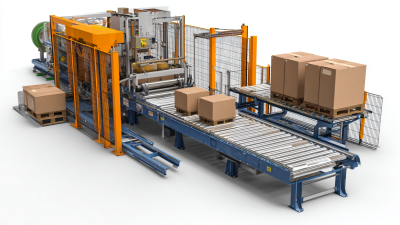
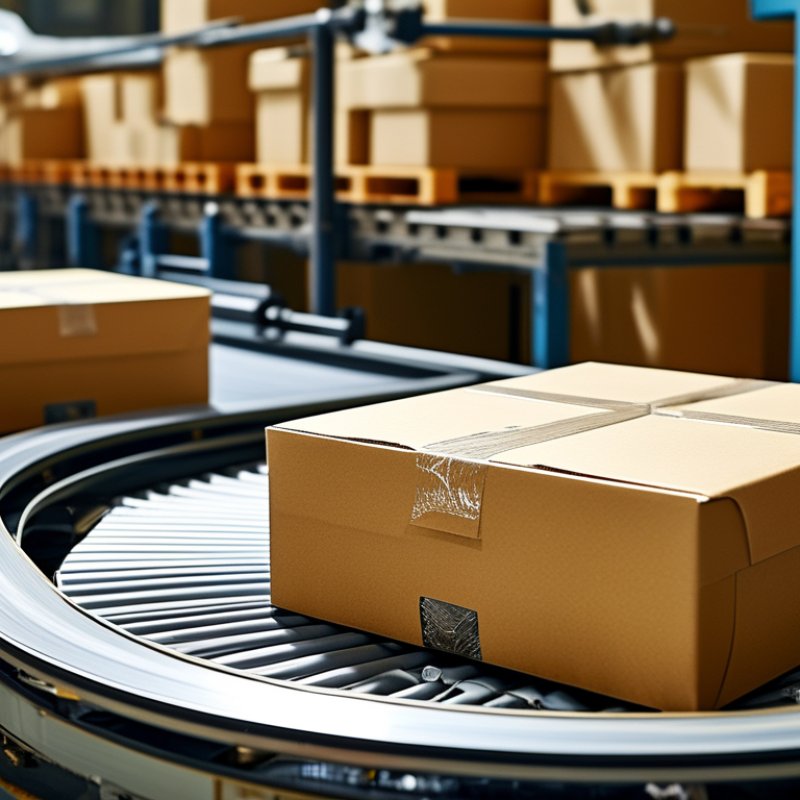
A box wrapping machine is industrial equipment that covers cartons with stretch or shrink film. It protects boxes from dust, moisture, scuffing, and unstable stacking. The machine usually includes an infeed conveyor, film holder, tension system, sealing unit, and cutting mechanism. Some models also use automatic corner guides.
During operation, a carton enters the wrapping area at a controlled speed. Rollers position the box while film moves around its sides. Stretch film tightens through mechanical tension. Shrink film contracts after passing through a heated tunnel. The film is then sealed and cut. A sensor checks box height and spacing. Small adjustments can reduce loose film and damaged corners. That detail matters.
A 2023 Global Parcel Shipping Index recorded 161.8 billion parcels worldwide in 2022, increasing pressure on consistent packaging output.
Machine selection
Machine selection depends on carton size, film type, line speed, and required protection. Operators should test real boxes, not only sample cartons. Corrugated surfaces vary, and ideal settings rarely survive a busy shift. Film tension that works for a light box may crush a weaker one.
No machine is perfect.
The World Robotics 2024 report recorded 541,302 industrial robot installations worldwide in 2023. This growth reflects wider investment in repetitive packaging tasks. Still, wrapping equipment needs trained supervision, regular cleaning, and inspection of seals, blades, and sensors. A practical setup balances speed with safe handling and dependable presentation.
What Are the Main Components of a Box Wrapping Machine?
A box wrapping machine encloses cartons with stretch film, shrink film, or protective paper. It combines feeding, wrapping, sealing, and discharge in one controlled process. The machine’s design depends on box size, material thickness, and required production speed.
The conveyor is the working foundation. It guides each carton through the wrapping area at a steady distance. A film holder stores the roll and controls its unwinding speed. A tension system stretches the film around the box without crushing its corners. Too little tension creates loose layers. Too much tension can deform lightweight cartons.
The forming and folding units shape the material around the package. Some machines use side belts, heated bars, or mechanical plows to fold edges neatly. A sealing or cutting unit closes the film and trims excess material. Sensors detect box position, height, and film breaks. A programmable control system coordinates these signals with motors, heaters, and pneumatic parts. Safety guards and emergency stops protect operators during movement and heat sealing.
Real production lines are rarely perfect. Dust can affect sensors, while uneven cartons may shift on the conveyor. I have found that small alignment errors often cause wrinkled film before a major component fails. Regular checks should include roller cleanliness, film tension, sensor response, and sealing temperature. One detail is easy to overlook: a machine may run smoothly while wasting material through incorrect tension settings.
How Does a Box Wrapping Machine Work Step by Step?
What Is a Box Wrapping Machine and How Does It Work?
A box wrapping machine automatically covers cartons with stretch film, shrink film, or paper. The exact process depends on the packaging material and box design.
Smithers’ report, The Future of Packaging to 2028, forecasts the global packaging market will reach about $1.33 trillion by 2028. That growth increases pressure for faster, more consistent secondary packaging.
How Does a Box Wrapping Machine Work Step by Step?
A conveyor brings each box into the wrapping area. Sensors detect its length, height, and position. The control system then selects a wrapping program. Film unwinds from a roll while a carriage moves around the carton. Pre-stretch rollers can reduce film use and improve tension. The film overlaps at the corners, where loose edges often appear. A heated blade or sealing unit cuts and closes the film. With shrink film, a heat tunnel tightens the package afterward. The wrapped box then exits for weighing, labeling, or palletizing.
Operators should check film tension, sealing temperature, and sensor alignment during each shift. PMMI’s 2024 State of the Industry findings identify labor availability and productivity as important drivers of packaging automation.
Still, automation is not foolproof. A dusty sensor may stop the line. An uneven carton can create wrinkles. These small faults are easy to underestimate, and real production conditions often expose them. A short test run helps confirm that the package is secure without wasting excessive material.
What Types of Box Wrapping Machines Are Available?
A box wrapping machine encloses individual cartons with film, paper, or another protective material. It feeds a box through guides, applies the wrapping medium, and seals the finished package. Sensors track carton position and adjust the cycle. The process reduces manual handling and creates a more consistent appearance.
Several types suit different production needs. Stretch film machines wrap cartons with elastic film and usually need no heat. They work well for dust protection and fast line speeds. Shrink wrapping machines use heat to tighten plastic film around the box. The result looks neat, but heat-sensitive products require careful testing. Paper wrapping machines use folded paper and adhesive. They can suit retail packaging where a natural appearance matters. The material choice affects recycling options, surface protection, and operating cost.
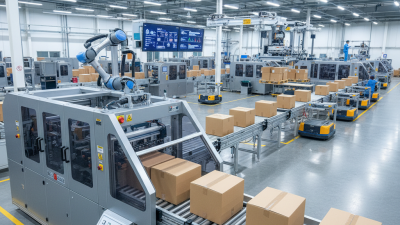
Machines also differ by automation level. Semi-automatic models require an operator to place or remove cartons. Fully automatic systems connect with conveyors and manage continuous production. Horizontal wrappers suit long or unstable boxes, while vertical designs often handle compact cartons. In my experience, accurate box measurements matter more than advertised speed. A small size variation can cause loose corners, film waste, or damaged seals. Operators should check tension, sealing temperature, and sensor alignment during each shift. No machine fits every line. Sometimes, a simpler model proves more reliable.
Where Are Box Wrapping Machines Used?
A box wrapping machine applies stretch film around cartons to protect them during storage and transport. The machine may rotate the box, move the film carriage, or use both actions together. Sensors measure carton height and position. Controls then adjust film tension, overlap, and wrapping speed. The finished package is tighter, cleaner, and easier to handle.
These machines are widely used in distribution centers, where hundreds of cartons move through packing lines each hour. E-commerce warehouses use them for shipping boxes that face repeated handling. Food, beverage, electronics, household goods, and spare-parts facilities also use box wrapping equipment. In cold storage areas, wrapping can reduce exposure to dust and surface moisture. Some factories place the machine near the final inspection station. This saves floor space and limits unnecessary movement.
Retail suppliers often wrap mixed cartons before pallet loading. Manufacturers may use compact systems beside sealing machines. The right location depends on box size, film type, throughput, and available operators. A common mistake is choosing speed before checking carton stability. Fast wrapping cannot fix a poorly sealed box. No setup fits every line. Operators should test tension on light and heavy cartons, then record the results. In practice, corners may still need extra protection, especially during long-distance transport. Regular cleaning and sensor checks also matter. Small alignment errors can create loose film, waste material, or uneven protection.